- Home
- Products
+
- Connectors
+
- Box Header Connectors & Ejector Header Connectors
- Female Header Connectors
- Male Pin Header Connectors & Mini Jumper Connectors
- IC Socket / PLCC Socket / ZIF Socket Connectors
- Wire to Board Connectors & Wire to Wire Connectors
- IDC Connectors
- FFC / FPC Connectors
- Micro Match Connectors
- DIN41612 Connector
- D-Sub Connectors / D-SUB hood
- SIM & Micro SIM & Nano SIM Card Connectors
- Memory Card Connectors
- USB 2.0 / USB 3.0 / USB 3.1 / Type C / Micro USB / IEEE 1394 / Mini USB Connectors
- DVI Connectors & HDMI Connectors
- Y13 / Y17 /Y21 IP68 Waterproof Circular Connectors
- Circular Connectors
- SATA Connectors
- 2.5mm Phone Jack Audio Connectors
- 3.5mm phone jack audio connectors
- 6.3mm Phone Jack Audio Connectors
- Mini din connectors*Din connectors
- Audio*Video adaptor connectors
- DC Power PLUG
- XLR connectors
- phone plug audio connectors
- Binding post connectors
- Banana plug connectors/Banana jack connectors
- RCA jack/plug connectors
- SMT DC power connectors
- Power Din Jack & Plug
- DIP DC power connectors
- Loudspeaker connectors
- Security Camera DC Power Connectors & Adapters
- Terminal Blocks
+
- PCB Terminal Block Rising Clamp
- PCB Terminal Block Wire Protector
- Pluggable Terminal Blocks
- Screwless-Spring terminal blocks
- Barrier Terminal Blocks
- Reflow Solder LCP Housing Terminal Blocks
- Fuse lighting terminal blocks
- Feed Through Terminal Blocks and Box
- Miniature Rail-mounted Terminal Blocks
- Insulated terminals
- Non-insulated terminals
- Solder terminals for PCB mount
- Switches +
- Crystals / Oscillators / Resonators +
- Meter Components +
- Ethernet Connectors +
- RF Connectors & Antennas +
- Sound sources +
- Connectors
+
- Cross Reference
- Solution
- About RHT
- FAQ +
- Download
- News
- Contact Us +

What is a feed-through terminal block?
 Dec. 10, 2025
In today’s fast-paced electronic landscape, the demand for reliable and efficient electrical connections has never been higher. Enter Terminal Blocks, key components that play a crucial role in a myriad of applications, from industrial machinery to household wiring. As a dedicated Terminal Blocks Supplier, we recognize the issues users face when selecting the right terminal blocks for their applications: compatibility, reliability, and ease of installation. This article dives into the critical advantages of using terminal blocks, illustrating how they can enhance your electrical engineering projects while addressing common pain points.
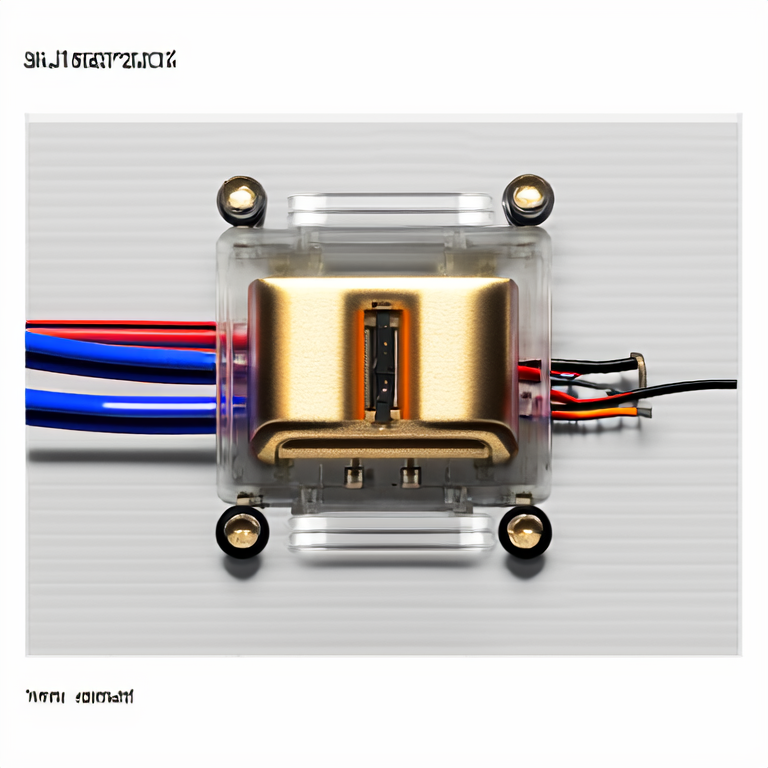
What Are Terminal Blocks?
Terminal blocks are electrical connectors that terminate single wires to form a durable connection point. Typically housed in a plastic casing, they feature metal connectors that facilitate secure, stable electrical connections. The industry recognizes several types of terminal blocks, including feed-through terminal blocks, which allow for wire connections to pass through them seamlessly.
Industry Term Analysis
Understanding the terminology is crucial for maximizing the effectiveness of terminal blocks. Key terms include:
- Feed-Through Terminal Block: This type allows wires to pass through for uninterrupted connectivity.
- Isolation: This refers to the ability of a terminal block to separate electrical circuits, enhancing safety.
- Contact Resistance: Measured in ohms, this indicates how well the terminal block can conduct electricity.
Application Scenarios
Terminal blocks are widely utilized across various fields, enhancing electrical safety and efficiency. Here are some common applications:
1. Industrial Automation
In automated factories, terminal blocks connect sensors and actuators to control systems, ensuring reliable operation. Research suggests that integrating terminal blocks can reduce downtime by up to 25%.
2. Renewable Energy
In solar panel installations, feed-through terminal blocks facilitate connections between solar panels and inverters. This integration can increase energy transfer efficiency by approximately 30%.
3. Consumer Electronics
From televisions to home appliances, terminal blocks secure connections that power devices. Studies show that using high-quality terminal blocks can lower the rate of component failures by 15%.
Advantages of Terminal Blocks
The significance of terminal blocks extends beyond mere connections; they present several advantages that are crucial for any electrical application:
- Improved Safety: Terminal blocks are designed to withstand higher temperatures and resist short-circuiting, reducing the risk of electrical fires.
- Versatility: They come in various configurations, accommodating different wire sizes and circuit requirements, making them suitable for a wide range of applications.
- Ease of Installation: With a quick and user-friendly setup, terminal blocks minimize installation time by around 20% compared to traditional wiring methods.
Next Steps
To deepen your understanding of terminal blocks and explore how they can fit your project needs, it is highly recommended to read the user guide provided by reputable brands like RHT. We also suggest reaching out to industry professionals or consulting with a terminal blocks supplier for tailored solutions.
FAQ
Q1: What is the difference between feed-through and terminal block connectors?
Feed-through terminal blocks allow wires to pass through without interruption, while standard terminal blocks typically connect wires only at one end.
Q2: How do I choose the right terminal block for my project?
Consider wire gauge, current ratings, and environmental factors (like temperature and exposure to moisture) when selecting terminal blocks.
Q3: Can terminal blocks improve electrical efficiency?
Yes, proper use of terminal blocks can optimize the flow of electricity, leading to increased efficiency in electrical systems.
In conclusion, terminal blocks represent a vital component in modern electrical systems, offering both versatility and safety. With the information provided, you are equipped to tackle common challenges when selecting the right terminal blocks for your applications, ensuring spacious and reliable connections for your projects. If you\'re interested in trying specific products, consider exploring the offerings from dedicated terminal block suppliers like RHT for reliable options tailored to your needs.