- Home
- Products
+
- Connectors
+
- Box Header Connectors & Ejector Header Connectors
- Female Header Connectors
- Male Pin Header Connectors & Mini Jumper Connectors
- IC Socket / PLCC Socket / ZIF Socket Connectors
- Wire to Board Connectors & Wire to Wire Connectors
- IDC Connectors
- FFC / FPC Connectors
- Micro Match Connectors
- DIN41612 Connector
- D-Sub Connectors / D-SUB hood
- SIM & Micro SIM & Nano SIM Card Connectors
- Memory Card Connectors
- USB 2.0 / USB 3.0 / USB 3.1 / Type C / Micro USB / IEEE 1394 / Mini USB Connectors
- DVI Connectors & HDMI Connectors
- Y13 / Y17 /Y21 IP68 Waterproof Circular Connectors
- Circular Connectors
- SATA Connectors
- 2.5mm Phone Jack Audio Connectors
- 3.5mm phone jack audio connectors
- 6.3mm Phone Jack Audio Connectors
- Mini din connectors*Din connectors
- Audio*Video adaptor connectors
- DC Power PLUG
- XLR connectors
- phone plug audio connectors
- Binding post connectors
- Banana plug connectors/Banana jack connectors
- RCA jack/plug connectors
- SMT DC power connectors
- Power Din Jack & Plug
- DIP DC power connectors
- Loudspeaker connectors
- Security Camera DC Power Connectors & Adapters
- Terminal Blocks
+
- PCB Terminal Block Rising Clamp
- PCB Terminal Block Wire Protector
- Pluggable Terminal Blocks
- Screwless-Spring terminal blocks
- Barrier Terminal Blocks
- Reflow Solder LCP Housing Terminal Blocks
- Fuse lighting terminal blocks
- Feed Through Terminal Blocks and Box
- Miniature Rail-mounted Terminal Blocks
- Insulated terminals
- Non-insulated terminals
- Solder terminals for PCB mount
- Switches +
- Crystals / Oscillators / Resonators +
- Meter Components +
- Ethernet Connectors +
- RF Connectors & Antennas +
- Sound sources +
- Connectors
+
- Cross Reference
- Solution
- About RHT
- FAQ +
- Download
- News
- Contact Us +

What connector is used in audio equipment?
 Dec. 12, 2025
In the sprawling landscape of technology, Audio Connectors play a pivotal role that often goes unnoticed. As a crucial component in sound production and transmission, these connectors form the backbone of audio setups, whether it\'s a home theater system or a professional recording studio. With the rise of digital media consumption, understanding the significance of audio connectors has become essential for consumers, especially for those looking to enhance their listening experience. China Connector Manufacturer has emerged as a leader in delivering high-quality audio connectors tailored for various applications, helping to solve common issues like poor sound quality and compatibility challenges.
What Are Audio Connectors?
Audio connectors are electrical connectors designed specifically for transmitting audio signals. They can vary in design, size, and functionality, depending on their intended use. The industry often categorizes these connectors into several types, including 3.5mm jacks, XLR connectors, RCA connectors, and more. Each type serves unique purposes, with frequency response and impedance playing crucial roles in how sound is transmitted.
Why Are Audio Connectors Important?
The importance of audio connectors lies in their impact on sound quality and compatibility across various devices. For instance, a study conducted by the Audio Engineering Society found that using high-quality connectors can actually reduce signal loss by over 60%. This is particularly relevant in professional audio settings where clarity and fidelity are paramount. Understanding the distinctions between connector types can greatly influence the overall audio experience, particularly in contexts where sound accuracy is critical.
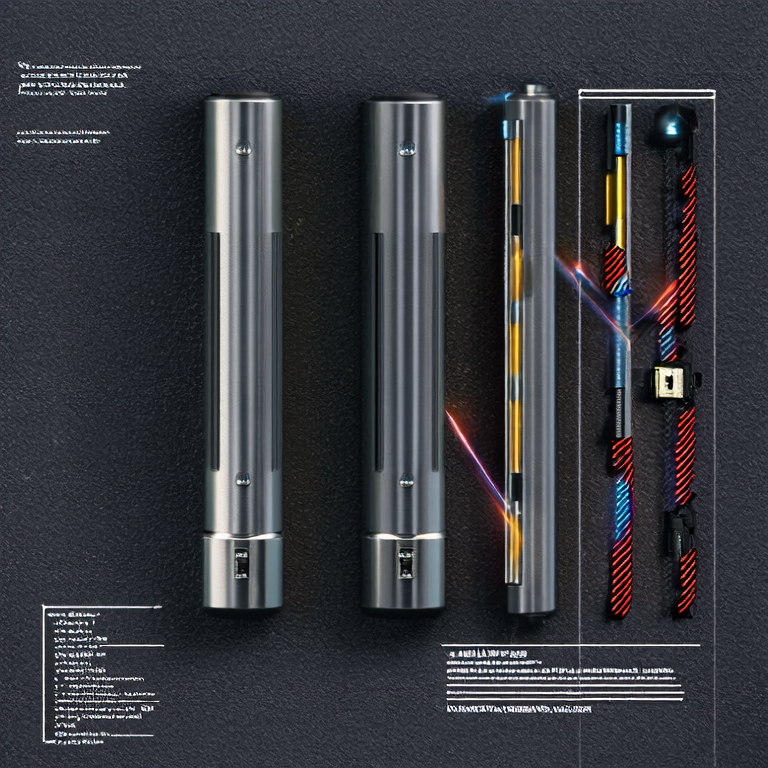
Application Scenarios for Audio Connectors
Audio connectors are ubiquitous across various fields, making their understanding essential for anyone involved in audio production or enhancement. They are commonly used in:
- Broadcasting: Professional broadcasters rely heavily on XLR and TRS connectors to ensure high-quality audio transmission during live events and recordings.
- Music Production: In recording studios, audio connectors facilitate the interconnection of microphones, instruments, and mixing consoles, where adapters often convert connections to avoid compatibility issues.
- Consumer Electronics: From smartphones to Bluetooth speakers, audio connectors enable sound transmission across multiple devices, where understanding the right connector can optimize audio quality.
- Theater: Stage productions utilize a variety of audio connectors to connect sound systems, ensuring clear reproduction of dialogue and sound effects.
Advantages of Using Quality Audio Connectors
The advantages of incorporating high-quality audio connectors in any setup cannot be overstated. Here are a few key benefits:
- Enhanced Durability: Quality connectors are built to withstand wear and tear, with an increased lifespan estimated to last over 5 times longer than standard connectors.
- Improved Signal Integrity: High-grade materials used in premium connectors can significantly reduce electrostatic interference and maintain signal integrity. This leads to a smoother, more impactful sound experience.
- Versatility and Compatibility: Investing in quality connectors often means you can use them across various devices without encountering compatibility problems, which is crucial in environments where quick setups are necessary.
Next Steps: Getting Started with Audio Connectors
For those looking to improve their audio systems, understanding the user guide for your specific equipment is imperative. Research different types of audio connectors to determine which ones best suit your needs. Websites like RHT provide extensive resources and customer support to help you navigate through your options effectively.
FAQ
1. What is the difference between RCA and XLR connectors? RCA connectors are typically used for consumer electronics and are designed for unbalanced audio signals, while XLR connectors are used in professional settings with balanced audio transmission, reducing noise.
2. How do I know which audio connector to use? The choice of audio connector depends on the devices you are connecting, the quality of sound you desire, and whether you need a balanced or unbalanced connection.
3. Can I use adapters for audio connectors? Yes, adapters can be used to convert one connector type to another, but it\'s essential to consider the potential impact on sound quality, especially for professional settings.
4. Are there benefits to using professional audio connectors over standard connectors? Yes, professional audio connectors often provide better durability, improved signal integrity, and reduced noise, making them ideal for serious audio applications.
For additional understanding and trials, consider exploring the range of audio connectors offered by RHT and see how they can transform your audio experience into something truly exceptional.