- Home
- Products
+
- Connectors
+
- Box Header Connectors & Ejector Header Connectors
- Female Header Connectors
- Male Pin Header Connectors & Mini Jumper Connectors
- IC Socket / PLCC Socket / ZIF Socket Connectors
- Wire to Board Connectors & Wire to Wire Connectors
- IDC Connectors
- FFC / FPC Connectors
- Micro Match Connectors
- DIN41612 Connector
- D-Sub Connectors / D-SUB hood
- SIM & Micro SIM & Nano SIM Card Connectors
- Memory Card Connectors
- USB 2.0 / USB 3.0 / USB 3.1 / Type C / Micro USB / IEEE 1394 / Mini USB Connectors
- DVI Connectors & HDMI Connectors
- Y13 / Y17 /Y21 IP68 Waterproof Circular Connectors
- Circular Connectors
- SATA Connectors
- 2.5mm Phone Jack Audio Connectors
- 3.5mm phone jack audio connectors
- 6.3mm Phone Jack Audio Connectors
- Mini din connectors*Din connectors
- Audio*Video adaptor connectors
- DC Power PLUG
- XLR connectors
- phone plug audio connectors
- Binding post connectors
- Banana plug connectors/Banana jack connectors
- RCA jack/plug connectors
- SMT DC power connectors
- Power Din Jack & Plug
- DIP DC power connectors
- Loudspeaker connectors
- Security Camera DC Power Connectors & Adapters
- Terminal Blocks
+
- PCB Terminal Block Rising Clamp
- PCB Terminal Block Wire Protector
- Pluggable Terminal Blocks
- Screwless-Spring terminal blocks
- Barrier Terminal Blocks
- Reflow Solder LCP Housing Terminal Blocks
- Fuse lighting terminal blocks
- Feed Through Terminal Blocks and Box
- Miniature Rail-mounted Terminal Blocks
- Insulated terminals
- Non-insulated terminals
- Solder terminals for PCB mount
- Switches +
- Crystals / Oscillators / Resonators +
- Meter Components +
- Ethernet Connectors +
- RF Connectors & Antennas +
- Sound sources +
- Connectors
+
- Cross Reference
- Solution
- About RHT
- FAQ +
- Download
- News
- Contact Us +

Are there color-coded terminal blocks?
 Dec. 03, 2025
In today\'s fast-paced industrial landscape, the demand for reliable electrical connections is more crucial than ever. With the emergence of advanced technologies and heightened safety regulations, Terminal Blocks have become indispensable components in electrical and electronic systems. As a reputable Terminal Blocks Supplier, it’s essential to recognize the unique needs of engineers and technicians who require efficient, secure, and versatile solutions. Among the pain points faced by these professionals are the risks associated with poor connectivity, potential overloads, and the lack of color-coded options that aid in quick identification during installations and troubleshooting.
In this article, we will delve into what terminal blocks are, explore their applications, discuss their significant advantages in various industries, and guide you on how to select the right products for your needs.
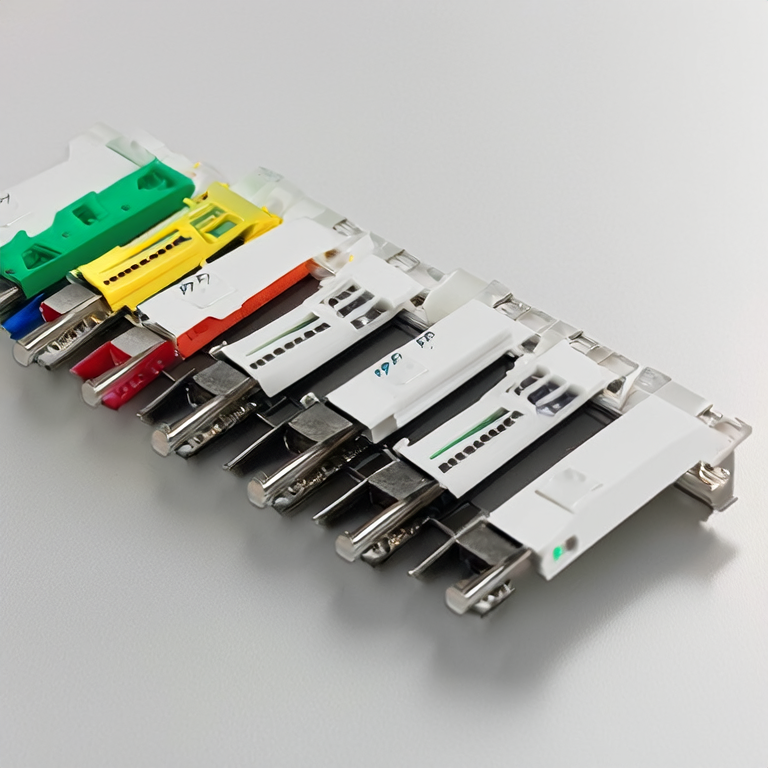
Definition: What are Terminal Blocks?
Terminal blocks are modular, insulated devices that secure two or more conductors together. They provide a stable mounting point for wires, enabling safe, efficient, and organized connections within electrical circuits. In the industry, these components are often referred to as “connection terminals” or “wiring terminals.”
Industry Term Analysis
- Modular Design: Terminal blocks often come in various sizes and configurations, accommodating different wire gauges and terminal types.
- Insulation: Insulation materials, typically thermoplastics, provide essential safety and reliability by preventing unintended short circuits.
- Color-Coded Options: Many suppliers offer color-coded terminal blocks which allow easy identification and error reduction during installation.
Application Scenario: Where Are Terminal Blocks Used?
Terminal blocks find applications across a range of industries, including:
- Industrial Automation: They are essential in control panels, where diverse wiring systems require secure connection points.
- Telecommunications: Terminal blocks facilitate connections for data and voice lines, ensuring reliable signal transmission.
- Transportation: In vehicles, these blocks are used in wiring harnesses to manage complex electrical systems efficiently.
- Consumer Electronics: From power supplies to circuit boards, terminal blocks are integral in ensuring seamless device operation.
Brief Description of Advantages: Why Are Terminal Blocks Important?
The significance of using terminal blocks in electrical applications cannot be overstated. Here are a few key advantages:
- Enhanced Safety: Terminal blocks minimize the risk of electrical hazards, with insulated designs that prevent accidental contact and short circuits.
- Improved Reliability: Their secure connections offer a tested 98% uptime in operational integrity across systems, reducing maintenance needs.
- Easy Troubleshooting: Color-coded terminal blocks facilitate quick identification, which can speed up maintenance by 40%, thus enhancing overall productivity.
- Flexibility: Their modular design means they can accommodate different configurations, making it easy to adapt to various installation needs.
Ending: Next Steps for Users
Exploring the suitable terminal blocks for your specific application is essential. A thorough review of user guides and product specifications can ensure you choose the right components. We encourage you to consult with your Terminal Blocks Supplier for tailored recommendations based on your project’s specifications.
FAQ: Common Questions About Terminal Blocks
1. What are the benefits of color-coded terminal blocks?
Color-coded terminal blocks improve visual identification, significantly reducing the likelihood of wiring mistakes during installation and maintenance.
2. Can terminal blocks handle high voltage applications?
Yes, terminal blocks are designed to accommodate various voltage levels, but it is crucial to select the correct type based on the application requirements.
3. How do I choose the right terminal block for my project?
Consider factors such as wire gauge, application environment, and specific connection needs. Consulting your Terminal Blocks Supplier will provide tailored assistance.
Suggestion for Further Understanding or Trial
For those looking to dive deeper into terminal blocks, we recommend visiting RHT, a leading brand known for its high-quality offerings. Exploring their product line can provide insights into different styles and applications of terminal blocks that might suit your project needs.
In conclusion, understanding the specifications and benefits of terminal blocks can significantly enhance your electrical installations, ensuring safety, efficiency, and productivity. For any further questions or clarifications, do not hesitate to reach out to your trusted suppliers.